
Analysis Basketball Games is not a completely new concept, but not everyone is familiar with it. Are you a passionate basketball fan, but have you ever wanted to delve deeper, not just watching the spectacular plays but truly “reading” every tactical move? Basketball is a constant battle of wits, and to truly immerse yourself in it, you need a deeper insight.
To truly immerse yourself in the tense atmosphere and understand every move and decision on the court, possessing the skill of analyzing basketball games is key. This skill not only helps you feel the game more deeply but also opens the door to in-depth insights into tactics, individual performance, and accurate predictions.
This article, Betting Online Now, is designed as a comprehensive roadmap, taking you from the most basic knowledge of reading tactical statistics for beginners to advanced analysis methods. Let’s explore the secrets to transforming you from an ordinary spectator into a sharp analyst!
Analysis of Basketball Games: Why Is It Important?
More than just watching a game, possessing the ability to analyze basketball games opens up a whole new world of understanding and enjoyment. This is a key skill that helps you see through complex tactical layers, evaluate player performance, and make more insightful judgments. From there, you not only significantly improve your betting skills but also enhance your strategic vision and fully experience the joy of basketball.
Improving Betting Skills
Continuously honing your basketball game analysis skills is the golden key to transforming from a casual fan into a savvy betting investor. Instead of relying solely on intuition or luck, you will have a solid set of tools to make decisions based on data and deep understanding.
When you truly grasp how to decipher each play, each tactic, and each player’s performance, you will have a significant advantage. This allows you not only to predict results more accurately but also to identify valuable bets that bookmakers may have misjudged.
A deep understanding of basketball helps you see through the hidden factors behind the odds.
In-depth analysis also helps you manage risk effectively. By understanding the strengths and weaknesses of the teams, the impact of injuries, Head-to-Head history and tactical adjustments, you can bet on options with a higher probability of winning and avoid those with high potential risks. This is the foundation for building a sustainable betting strategy that yields stable long-term profits, rather than quick wins based on luck.
Enhancing your understanding of basketball tactics
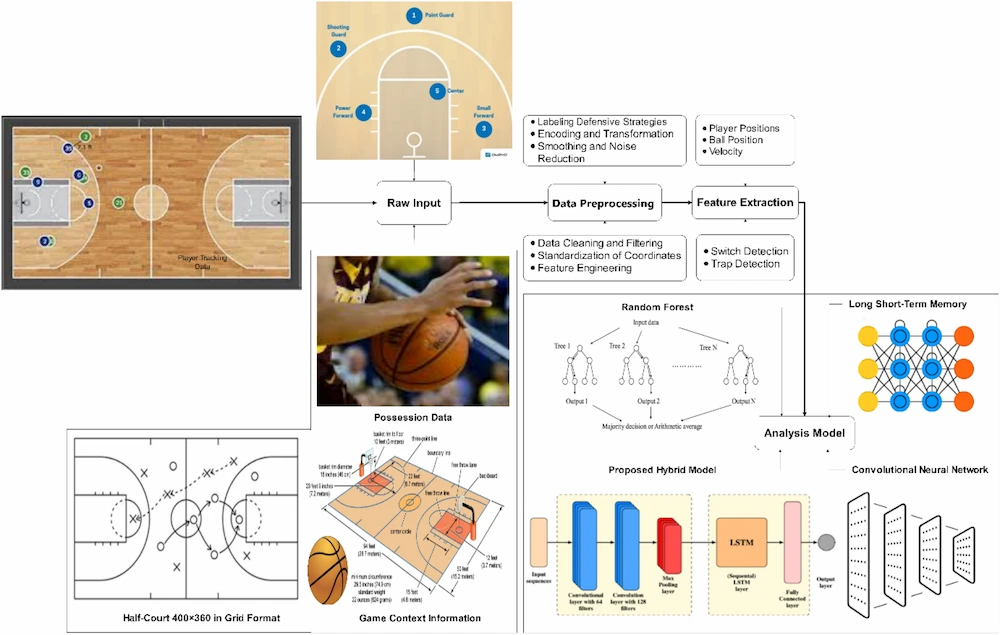
Analyzing basketball games goes beyond simply counting baskets or tracking scores; it opens the door to the world of complex tactics. When you take the time to analyze each play, you’ll begin to recognize the offensive and defensive strategies that the coach has meticulously developed.
This is an opportunity to explore how a team operates. You’ll clearly see how they execute pick-and-roll plays, how zone defense or man-to-man marking is effectively implemented. From there, you can assess the skill in adjusting tactics to suit specific opponents.
Understanding tactics allows you to view the game from a completely new perspective, transforming you from a mere spectator into a knowledgeable analyst. You’ll not just watch but also read the game, predict situations, and evaluate the success or failure of each strategic decision on the court. This provides a deeper insight, significantly enhancing your understanding of basketball.
Enhance your enjoyment of the game through thorough analysis.
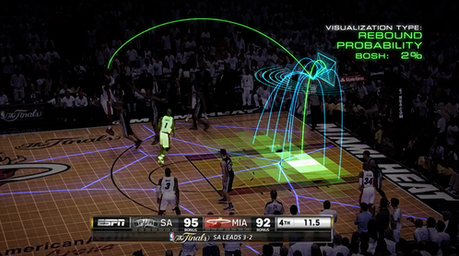
Analyzing a basketball game goes beyond simply evaluating the results; it’s the key to unlocking a whole new depth in the experience of enjoying this kind of sports. When you can dissect every play and every tactical decision, each game will no longer be a series of random events but become a dramatic and meaningful story.
The ability to analyze the game in depth helps viewers recognize and appreciate subtle plays, world-class assists, or outstanding defensive situations that might have been overlooked before. You will understand the underlying reasons behind a scoring streak or why a team is struggling, thus feeling the true rhythm and spirit of the game.
Understanding tactics and professional skills also allows you to connect more deeply with players and coaches. You’ll not only be cheering for your favorite team, but you’ll also understand the key decisions, the risks and rewards, transforming you from a passive spectator into an active and insightful viewer. That’s when you truly feel the joy and excitement of watching basketball, because you’re fully enjoying every moment.
A Beginner’s Guide to Basketball Game Analysis
Are you new to analyzing basketball games and feeling overwhelmed by the sheer amount of complex information? Don’t worry. This section will guide you to systematically approach basketball analysis, starting with the most fundamental knowledge.
We will explore how to read and understand basic statistics, observe each team’s playing style, and identify key players to gain a more comprehensive understanding of the game’s dynamics, laying a solid foundation for more in-depth analysis.
Understanding Basic Basketball Statistics to begin your journey
To begin analyzing basketball games systematically, mastering basic statistics is a prerequisite. This is the foundation that helps you understand the game’s overall picture, objectively evaluating the performance of each player and team. These statistics are not just dry numbers, but also tell a story about tactics and on-court performance.
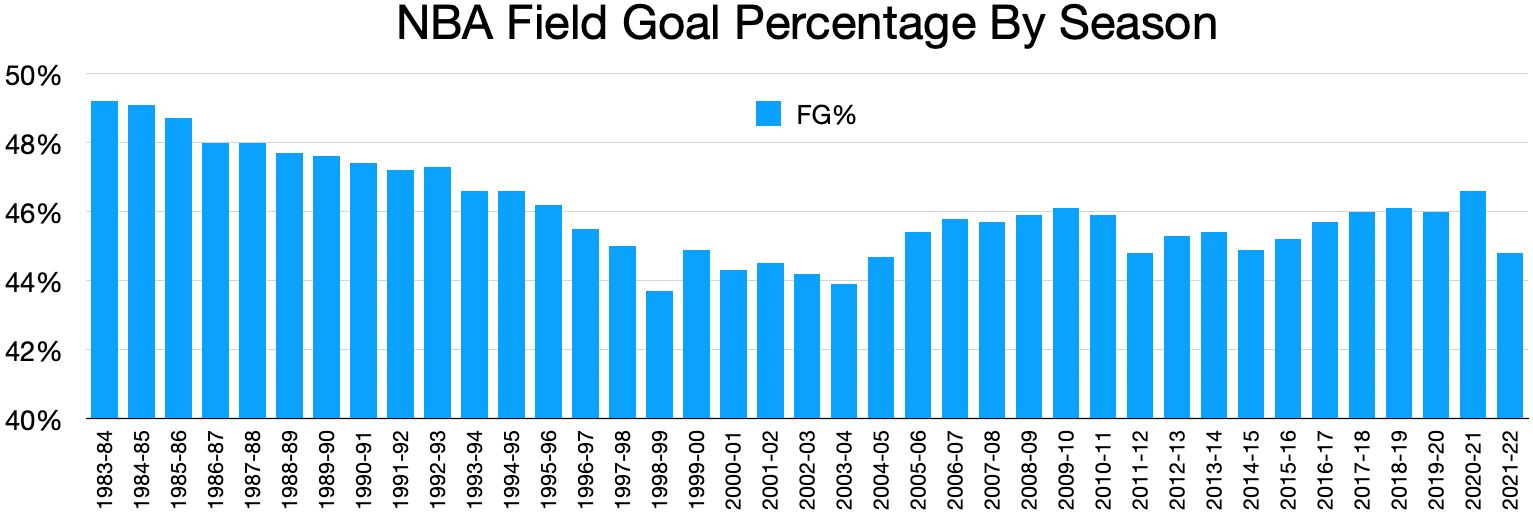
First, focus on metrics related to scoring ability and offensive efficiency. Field goal percentage (FG%), three-point percentage (3P%), and free throw percentage (FT%) are direct measures of a team’s or an individual’s finishing ability. A team with a high FG% often has an effective offensive style, while an impressive 3P% may reflect a space-spreading strategy and superior long-range shooting. Tracking these metrics helps you assess the immediate scoring performance and form of your key shooters.
Next, don’t overlook metrics related to ball control and creation. The number of rebounds indicates the ability to regain possession after missed shots, both offensively and defensively. A team strong in rebounds usually has more second-point opportunities and limits the opponent’s chances. Assists reflect teamwork and the ability to circulate the ball to create advantageous shooting positions. Conversely, turnovers indicate carelessness or defensive pressure from the opponent, leading to the loss of valuable possession.
Finally, defensive metrics such as steals and blocks are also extremely important. Steals demonstrate the ability to put pressure on the opponent and convert it into quick counterattacks. Blocks are evidence of a strong defensive presence under the basket, preventing the opponent from scoring directly. Understanding the meaning of each of these metrics will give you a more comprehensive view of the strengths and weaknesses of the teams, thereby improving your ability to assess basketball matchups.
Observe the team’s playing style during analysis
When you begin your journey of analyzing a basketball game, observing the overall playing style of the team is a fundamental but extremely important step, opening the door to deep understanding. Instead of just watching the ball, broaden your perspective to understand how the team operates as a whole, thereby gaining a better understanding of their coaching philosophy and player coordination.
Pay attention to the offensive patterns the team employs. Do they prioritize fast breaks or favor a control-oriented, half-court offense? Identifying pick-and-roll plays, off-ball screens, or isolation play will reveal a lot about their scoring strengths.
Similarly, reading their defensive tactics is equally crucial. Does the team maintain tight man-to-man defense, or do they switch to zone defense to control the area under the basket? Their rotations and reactions to opponents’ three-point shots will show the team’s discipline and defensive effectiveness.
Carefully observing these movements helps you not only predict the course of the game but also assess the adaptability and teamwork of the entire team. This is a solid foundation for developing more in-depth assessment skills later on, going beyond mere statistics to truly feel the pulse of the game.
Evaluating Key Players
When beginning to analyze a basketball game, identifying and evaluating key players is an indispensable step. These stars are not only top scorers but also the soul of the team, capable of changing the course of the game with a single brilliant play. They are often game-changing factors, providing a clear tactical advantage.
To evaluate a key player, you need to observe their specific role on the court. Are they a superb three-point shooter, a specialist in assists, a defensive pillar, or an extremely annoying stealer? Each position has its own requirements, and the ability to perform that role well will determine their impact. Pay attention to the situations in which they have the ball, how they move, and how they interact with teammates.
Furthermore, consider their performance during crucial moments of the match. A true key player will shine under pressure, make the right decisions, and successfully execute key plays when the team needs them most. Consistency, leadership skills, and a strong fighting spirit are what make them irreplaceable.
Understanding the strengths, weaknesses, and influence of these key players will give you deeper insight into each team’s tactics and help you predict the course of the game. This is key to accurately reading the game, especially for beginners.

Advanced Analysis Basketball Methods
After mastering the fundamentals, it’s time to take your basketball game analysis skills to the next level. This section will guide you through advanced methods, helping you dissect every aspect of the on-court match with greater accuracy.
We will delve into evaluating player performance by position, deciphering team tactics, harnessing the power of advanced statistical indicators, and even understanding the psychological factors that determine the outcome of the game. Get ready to become a true basketball game analysis expert.
Player Performance Analysis Basketball by Position
To conduct an in-depth basketball game analysis, evaluating the performance of each player by specific position is essential. Each role on the court has its own unique tactical requirements and contributions, demanding a more detailed and professional analytical perspective than simply looking at total points or rebounds.
When analyzing a game, focus on the statistics and actions appropriate to the player’s position. For example, for a point guard, performance isn’t just about assists, but also about controlling the pace of the game, making accurate decisions under pressure, and minimizing the number of turnovers. Meanwhile, a center will be highly rated based on their defensive capabilities in the paint, number of blocks, rebounds, and effectiveness in screening.
Similarly, shooting guards need to be considered in terms of shooting efficiency, off-ball movement, and creating space. Small forwards are often versatile players, so their evaluation should encompass scoring, rebounding, and defensive capabilities. Finally, power forwards are often distinguished by their offensive rebounding ability, interior defense, and pick-and-roll performance. Mastering these nuances helps you not only better understand their individual contributions but also how they influence the team’s overall strategy.
Evaluating Team Strategy Effectiveness
To truly elevate your basketball game analysis, dissecting and evaluating the effectiveness of a team’s strategy is crucial. This isn’t just about looking at results, but also understanding how a team operates to achieve those results, both offensively and defensively.
When considering offensive strategy, pay attention to ball movement patterns, how they execute pick-and-roll plays, or their ability to create space for shooters. A team with an effective offensive strategy will know how to exploit the opponent’s weaknesses, create easy shots, and maintain a consistent offensive tempo. Conversely, disjointed and uncoordinated offenses often lead to turnovers or difficult shots.
In defense, evaluating strategies such as man-to-man defense, zone defense, and full-court pressing is crucial. Can the team effectively pressure the opponent, forcing them to make hasty decisions? Is the defensive rotation and cover effective? A solid defense will limit the opponent’s scoring rate and improve control of the basket.
Furthermore, don’t forget to analyze the coach’s tactical adjustments throughout the game. The ability to read the game and make timely changes to counter the opponent’s playing style is proof of a skilled coaching staff. Understanding these adjustments provides deeper insight into strategic thinking and how a team adapts under pressure.
Utilizing Advanced Statistics for Analysis Basketball
To truly analyze a basketball game at an in-depth level, going beyond basic statistics is essential. Advanced statistics provide an objective lens, allowing us to dissect individual and team performance in detail, thereby better understanding the true value of each player and the effectiveness of tactics.
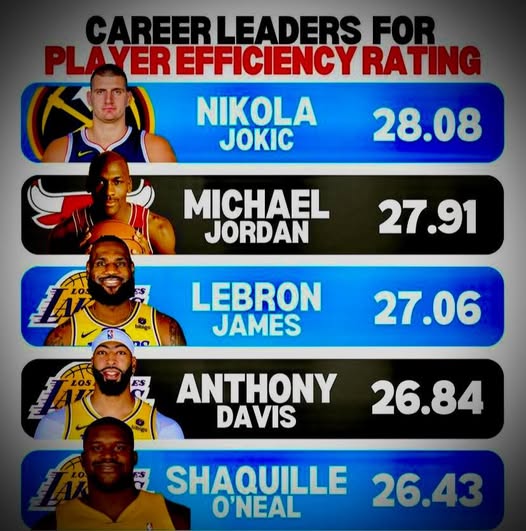
Familiarize yourself with metrics such as PER (Player Efficiency Rating), a comprehensive measure of a player’s productivity per minute, or True Shooting Percentage (TS%) and Effective Field Goal Percentage (eFG%) to assess true shooting efficiency, taking into account both three-point and free throws. These metrics allow you to see a player’s scoring ability not only through the number of points but also through the level of efficiency they create.
Additionally, the Plus-Minus (+/-) metric quantifies a player’s impact on the score while on the court, while the Usage Rate (USG%) indicates their level of involvement in plays. Combining this data reveals hidden stories within each game, helping you make sharper and more accurate assessments of team and individual performances.
Mastering and flexibly applying these metrics is key to elevating your basketball analysis skills, transforming you into a true analyst.
Analyzing Basketball Psychological and Non-Technical Factors
Beyond dry statistics or complex tactical diagrams, the art of analyzing basketball games at an in-depth level requires a keen eye for psychological and non-technical factors. These are often overlooked pieces that have the power to determine the outcome of a game and provide incredible depth to any assessment.
Psychological factors include confidence, pressure, and the mental state of the players. A team may be leading, but if they lose focus or get caught in a series of mistakes, they can completely lose their advantage. Conversely, a team trailing significantly can still stage a spectacular comeback thanks to their steely resolve, ability to withstand pressure, and intense desire to win.
Observing body language, player reactions to tense situations, or moments of individual brilliance will reveal a great deal.
In addition, non-technical factors also play a crucial role. Home-court advantage, a packed schedule causing fatigue, or unexpected injuries to key players can completely alter a team’s strategy and performance. Even seemingly minor factors like referee quality, internal relationships, or off-court rumors can significantly impact team morale and performance.
To truly evaluate a basketball game comprehensively, you need to learn how to integrate these qualitative observations into quantitative analysis. They provide context, explaining things that statistics alone cannot tell, helping you make much sharper and more insightful predictions.
Advice for Professional Analysis Basketball
To truly become an expert in analyzing basketball games, you need a clear roadmap and unwavering passion. This isn’t just about applying formulas, but also about honing your thinking and skills. This section will provide essential advice to help you continuously improve your skills, from regular practice to always keeping up with the latest trends and information.
Practice analysis Basketball regularly
Basketball analysis skills don’t come naturally; they require continuous training and practice. Like any other skill, honing your ability to observe and evaluate games will help you develop a keen intuition, leading to more accurate and insightful assessments. Don’t just watch games passively; turn each viewing into a practical learning session where you actively seek out and decipher the events on the court.
To optimize your training, you should start by applying your learned knowledge to specific matches. Record key tactical highlights, individual player performance, and how key statistics evolve over time. Then, compare your analysis with that of experts or experienced players to identify strengths and weaknesses in your assessment. This comparison is crucial for self-correction and refining your thinking, gradually improving your ability to evaluate real-world situations.
Regular practice not only familiarizes you with diverse scenarios but also strengthens your ability to connect data and make sound predictions. Challenge yourself by focusing on a specific aspect each time, such as rebounding ability, ball control, or a team’s defensive effectiveness. Gradually, you will build a comprehensive analytical system, transforming watching basketball from a hobby into a powerful tool for gaining a deeper understanding of the sport and even improving your betting skills.
Staying Up-to-Date
In the ever-changing world of basketball, staying up-to-date is not only an advantage but also a crucial requirement for professional basketball game analysis. Every small change, from key player injuries and unexpected transfers to adjustments in the starting lineup or coach’s tactics, can significantly impact the outcome of a game. Keeping abreast of these changes gives analysts a significant competitive advantage.
A true basketball expert always knows how to find and synthesize data from multiple reliable sources.
This includes monitoring reputable sports news, websites specializing in basketball statistics, in-depth discussion forums, and even social media updates from teams and players. Staying up-to-date with this information helps you build a more comprehensive understanding of each team’s current form, mentality, and tactical potential, while minimizing unexpected events.
Continuously staying updated not only helps you better understand the context of the upcoming game but also allows you to predict possible scenarios. For example, a sudden personnel change can completely alter a team’s offensive or defensive strength. This information provides a solid foundation for making insightful assessments, thereby improving the accuracy of all your analyses and predictions.
Conclusion
Thus, the journey of exploring how to analyze basketball games, from basic statistics to complex strategies, has come to an end. You are now equipped with the necessary knowledge and tools to view a game more comprehensively, from a beginner’s perspective to advanced techniques.
Mastering these methods will not only improve your game analysis skills but also help you enjoy every moment on the court with a deeper insight. From understanding tactical statistics to identifying psychological factors, you will feel like a true expert in the fascinating world of basketball.
Remember, mastery of basketball analysis requires perseverance and continuous practice. Always stay updated, observe, and learn from each game to hone your skills, transforming theory into practical experience.
With this knowledge, you will not only be a spectator but also an empathizer, ready to conquer any challenge and discover the fascinating things hidden behind every pass and every tactic on the basketball court.