
In modern football rules, free kicks play a crucial role in maintaining fairness and creating opportunities that can change the course of a match. Among them, direct free kicks, indirect free kicks, and penalties are the three most common but also the most confusing forms for viewers.
Understanding the differences between these types of free kicks not only helps fans follow the game more accurately but also helps players and coaches apply appropriate tactics in each specific situation. Discover valuable insights about free kicks by reading this compelling game guide on BettingOnlineNow. It’s a must-read for anyone looking to deepen their understanding of this crucial aspect of the game.
What is a Direct Free Kick?
Concept of a Direct Free Kick
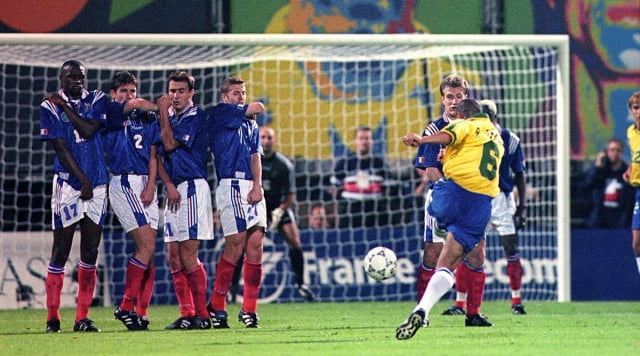
A direct free kick is a penalty that allows a player to shoot the ball directly towards the opponent’s goal, and a goal is awarded if the ball goes directly into the net without touching any other player.
This is the most frequently used type of free kick in football, usually occurring after clear-cut fouls.
Fouls that lead to direct free kicks
The referee will award a direct free kick to the fouled team when an opposing player commits dangerous or uncontrolled acts such as:
- Kicking or attempting to kick an opponent
- Tripping, pushing, or pulling a shirt
- Dangerous tackles
- Jumping on an opponent
Intentionally using hands to play the ball (outside the goalkeeper’s penalty area)
These fouls can directly affect the safety of the players and the course of the match.
The tactical value of direct free kicks
Direct free kicks pose a high threat of scoring, especially when taken near the penalty area. The attacking team can choose to:
- Shoot directly at the goal
- Cross the ball high
- Coordinate tactics to distract the defense
In modern football, many teams consider direct free kicks a crucial attacking weapon.
What is an indirect free kick?
The concept of an indirect free kick
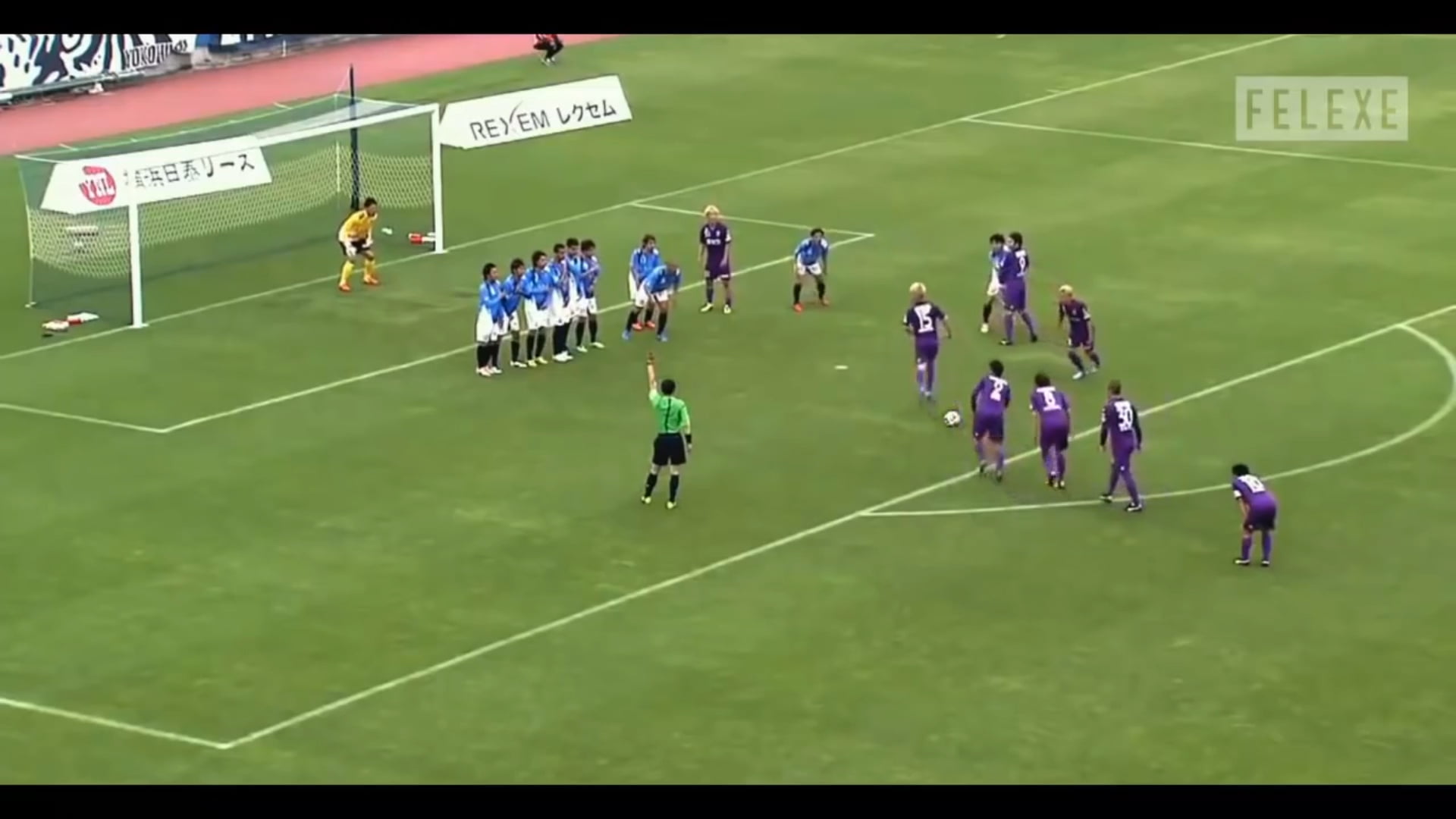
An indirect free kick is a type of free kick where a goal is only awarded if the ball touches another player before going into the net. If the player shoots directly and the ball goes into the net without any contact, the goal is invalid.
This is the most important difference compared to a direct free kick.
Fouls leading to an indirect free kick
Indirect free kicks are usually applied to technical fouls or less serious violations of the rules, including:
- Goalkeeper holding the ball for more than 6 seconds
- Goalkeeper touching the ball a second time before it touches another player
- Obstructing an opponent without contact
- Offside
- Playing dangerously but without body contact
The tactical role of indirect free kicks
Although it cannot be a direct shot to score, indirect free kicks still have high tactical value. Attacking teams often:
- Organize quick passing combinations
- Take advantage of tight spaces
- Create unexpected scoring opportunities
In many cases, indirect free kicks in the penalty area create just as much pressure as penalties.
Penalty – The most special free-kick situation
What is a penalty?
A penalty is a special free-kick situation, taken from the 11-meter mark, with only the goalkeeper facing the shooter. This is the form of free kick with the highest scoring rate in football.
Essentially, a penalty is a type of direct free kick, but with its own rules.
When is a penalty awarded?
A penalty is awarded to the attacking team when a defending player commits a foul during a direct free kick in their own penalty area, including:
- Pulling a player
- Push from behind
- Dangerous tackle
- Intentional handball
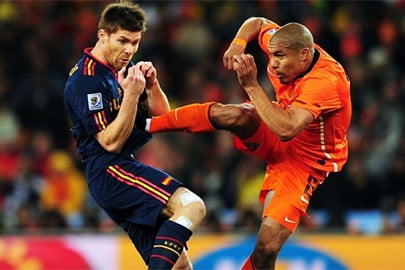
Due to its sensitive nature, penalty situations are often carefully reviewed, even with VAR consultation.
Psychological and Technical Aspects of Penalty Shootouts
A penalty is a direct confrontation between the shooter and the goalkeeper:
- The shooter faces immense pressure from the score and timing.
- The goalkeeper must anticipate the ball’s direction in a split second.
- Both must strictly adhere to the rules of positioning.
A penalty can completely change the course of a match.
Comparing Direct Free Kicks, Indirect Free Kicks, and Penalties
Differences in Scoring Potential
- Direct Free Kick: Can score immediately
- Indirect Free Kick: Must touch another player before scoring
- Penalty: Direct shot from 11 meters, only facing the goalkeeper
Differences in Taking Position
- Direct and Indirect Free Kicks: Can take place anywhere on the field
- Penalty: Only taken from the penalty spot
Severity of Fouls
- Indirect Free Kick: Technical foul, less dangerous
- Direct Free Kick: Clear contact foul
- Penalty: Serious foul in the penalty area
Impact on the Game
- Penalty: Most direct impact on the score
- Direct Free Kick: Can create a tactical turning point
- Indirect Free Kick: Contributes to pressure and changes the game
The Role of Free Kicks in Modern Football
In modern football, set pieces are increasingly valued. Many teams develop their own tactics for free kicks, considering them an effective way to break down defenses when open play fails.
Furthermore, it greatly affects the team’s morale. A goal from a free kick can boost team spirit, while a missed opportunity can have a negative impact.
Read More:
Conclusion:
Direct free kicks, indirect free kicks, and penalties, although all stemming from fouls, differ significantly in their execution. Currently, scoring ability and tactical value are important. Understanding each type correctly helps fans follow football more accurately and demonstrates the rigor and scientific nature of modern rules of the game.