
In the evolution of football, many rules have appeared and been removed, but they have left a lasting impact. The Golden Goal and Silver Goal rules are two prime examples. They not only affected the results on the field but also changed tactical thinking and how players and coaches responded in extra time.
Although neither now exists in FIFA rules, mentioning “golden goals” or “silver goals” still brings back memories of historically emotional matches. In this article, Betting Online Now will provide an in-depth analysis of the concept, history, advantages, a nd disadvantages, as well as the tactical impact and modern betting tips, to give readers a comprehensive perspective.
The Origin of the Golden and Silver Goal Rule
The Background Before Its Appearance
Before the 1990s, knockout matches often went into extra time, ending with a penalty shootout. This led to two problems:
- Players’ physical condition was severely depleted, especially with a packed schedule.
- The randomness of penalty shootouts caused many strong teams to be eliminated in a regrettable manner.
FIFA then wanted to find a solution that was both dramatic and reduced physical pressure, and thus, the golden goal was born.
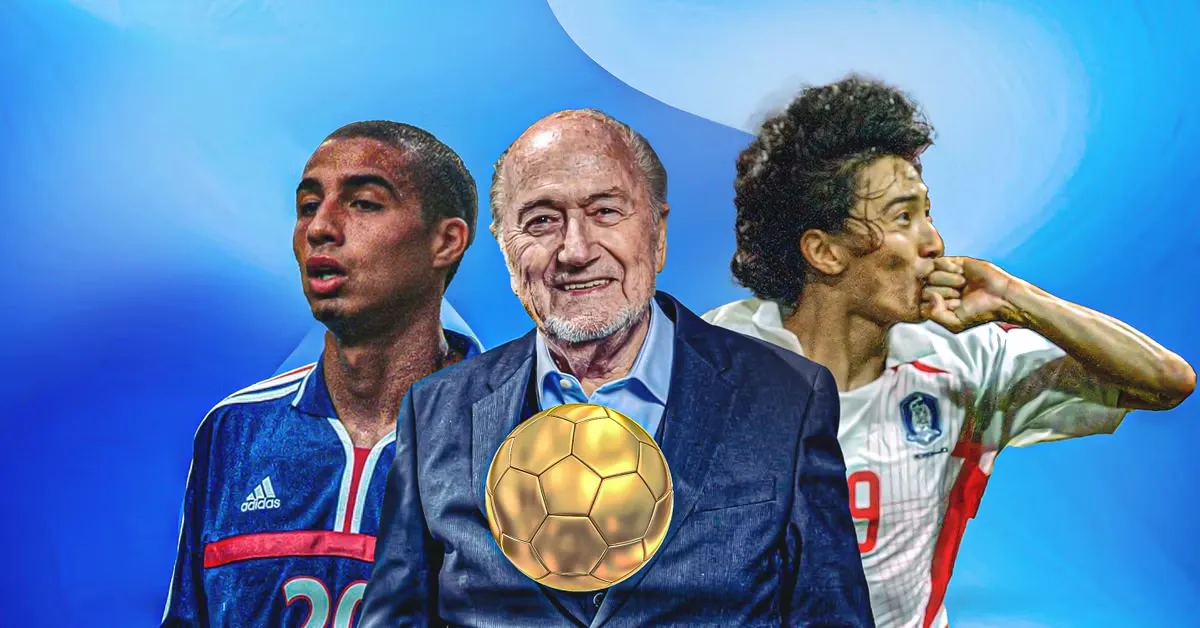
The Birth of the Golden Goal
- Definition: The team that scores the first goal in extra time wins immediately.
- Significance: Creates explosive tension, making every attack in extra time potentially the “finishing blow”.
The Appearance of the Silver Goal
After much criticism regarding the “absolutely sudden” nature of the golden goal, FIFA experimented with a more lenient version:
Definition: If a team scores in extra time, the game continues until the end of that extra time. If the leading team maintains the advantage, they win; if they are equalized, the game continues.
Meaning: Reduces the harshness, allowing the trailing team a chance to react.
Historical Matches Associated with Golden and Silver Goals
Classic Golden Goals
Euro 1996: Oliver Bierhoff scored the golden goal for Germany against the Czech Republic, leading the “Die Mannschaft” to victory.
World Cup 1998: Laurent Blanc scored the golden goal to help France overcome Paraguay, paving the way for their World Cup victory.
The Silver Goal Causes a Sensation
Euro 2004: Greece defeated the Czech Republic in the semi-finals thanks to a goal by Traianos Dellas at the end of the first extra time period. This is a prime example of the silver goal rule and also opened the way for Greece’s fairytale journey.
Advantages and Disadvantages of the Two Special Rules
Advantages
Increased drama: Each attack in extra time can decide the fate of the match.
Reduced reliance on penalties: Allows the match to be decided by actual goals instead of nerve-wracking penalty shootouts.
Disadvantages
Golden Goal: Too cruel, leaving the losing team with no chance of equalizing.
Silver Goal: The decisive nature of the match has changed; players and spectators in the stadium will now depend on penalties, thanks to defensive wall play.
Tactical Impact of Applying the Two Rules
For Coaches
During the Golden Goal Era, Many coaches chose a safe, defensive approach, as even a small mistake could end the match.
During the Silver Goal Era, Coaches were more flexible, keeping speedy players to bring in at the end of extra time, taking advantage of the opponent’s fatigue.
For Players
Increased Psychological Pressure: Especially under the Golden Goal rule, every missed shot or defensive error could decide the entire tournament.
Fitness Strategy: Players had to manage their energy more effectively, as extra time became the easiest place for sudden defeats.
Reasons for Abolishing the Golden and Silver Goals
After many years of application, FIFA and UEFA decided to abolish these two rules for the following reasons:
Not as effective as expected: The number of matches ending in extra time did not increase significantly.
Counterproductive: Teams tended to defend more defensively, contrary to the goal of encouraging attacking play.
Consistency: The constantly changing rules make it difficult for fans and players to adapt.
Tactical and Psychological Lessons Remaining Today
Despite being abolished, these two rules still offer valuable lessons:
- Solid defense in extra time: The “don’t concede” mentality has become a guiding principle in many knockout tournaments.
- The tactic of using fast substitutes: A “secret weapon” to create surprises when the opponent is exhausted.
- Psychological resilience: The ability to remain calm under immense pressure is a decisive factor in the final minutes.
Football betting analysis from the perspective of golden and silver goals
Impact on over/under bets in extra time
If this rule still existed, over/under bets in extra time would become more unpredictable. Golden goals make the likelihood of an early end to the game very high, while silver goals still allow for additional scoring opportunities.
Impact on Asian and European Odds
Asian Odds: The favored teams will benefit from being encouraged to attack, but there is a high risk of conceding an unexpected goal.
European Odds: The odds for a draw in 90 minutes will attract many investors, as extra time can easily become an unpredictable “explosion point”.
Modern Odds Analysis Based on Past Lessons
Reading Tactical Situations: Teams that habitually conserve energy for extra time are more likely to be psychologically affected.
Analyzing Player Psychology: Young teams often lack experience in extra time and are prone to making fatal mistakes.
Monitoring Substitutions: Coaches who keep their speedy players in extra time often have an advantage.
Conclusion
The Golden Goal and Silver Goal rules, though now a thing of the past, are an important part of football history. They teach players, coaches, and fans alike lessons about tactics, psychology, and the harsh realities of the pitch. In the modern world of betting, understanding this historical context helps analysts and bettors gain experience in assessing situations, especially in tense matches that extend into extra time.
Betting Online Now believes that it is precisely this harshness and drama that have created the enduring appeal of football – the king of sports worldwide.